

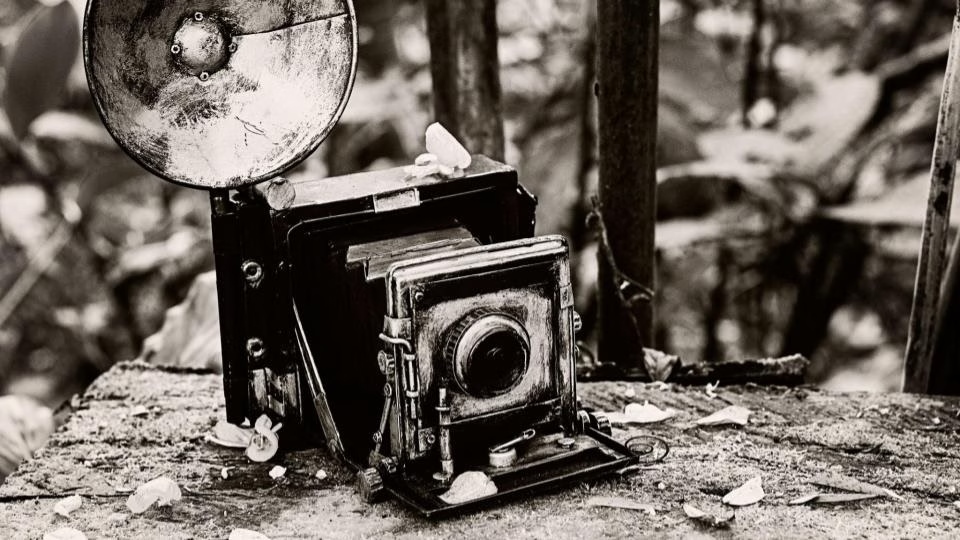
From Daguerreotypes to Kodachrome
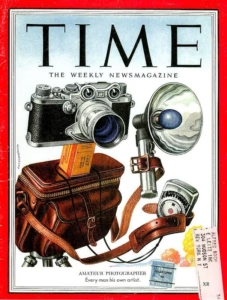 Rescuing the Past: A Guide to Identifying Your Family Heirlooms
Every family has that one weathered box—the one tucked away in the back of a closet, filled with the ghosts of generations past. When we pull these images out, we aren’t just looking at paper and silver; we are looking at the tangible history of our own bloodlines. However, before we can begin the delicate process of digital restoration, we must first understand the medium. Identifying the era and format of a vintage photograph is the crucial first step in preserving it correctly.
The Pioneers: Silver, Glass, and Iron
In the mid-19th century, photography was a physical marvel. The Daguerreotype, popular in the 1840s and 50s, was the first commercially successful process. These images were captured on silvered copper plates and are famous for their staggering, mirror-like clarity. Because the surface is so reflective, you often have to tilt the plate to see the subject clearly. Shortly after came the Ambrotype, which used glass plates, and the Tintype, which used thin sheets of iron. These were “cased images”—precious objects kept in velvet-lined folding boxes to protect their delicate surfaces. Because exposure times were so long, these photos capture a world of stillness; subjects lean against hidden headrests, their expressions somber and unblinking.
The Social Revolution: Paper and Cardstock
By the 1860s, photography became more portable and social. The Carte de Visite (CdV) was a small paper print mounted on cardstock, roughly the size of a modern business card. These were the “social media” of the Victorian era, traded between friends and collected in albums. As the century progressed, these evolved into the larger, more ornate Cabinet Card. These are the iconic sepia-toned images we often see today, featuring elaborate studio backdrops of parlors or forests. If you notice a metallic, silvery sheen in the dark areas of these photos, you are seeing “silver mirroring”—a natural sign of aging that digital restoration can beautifully navigate.
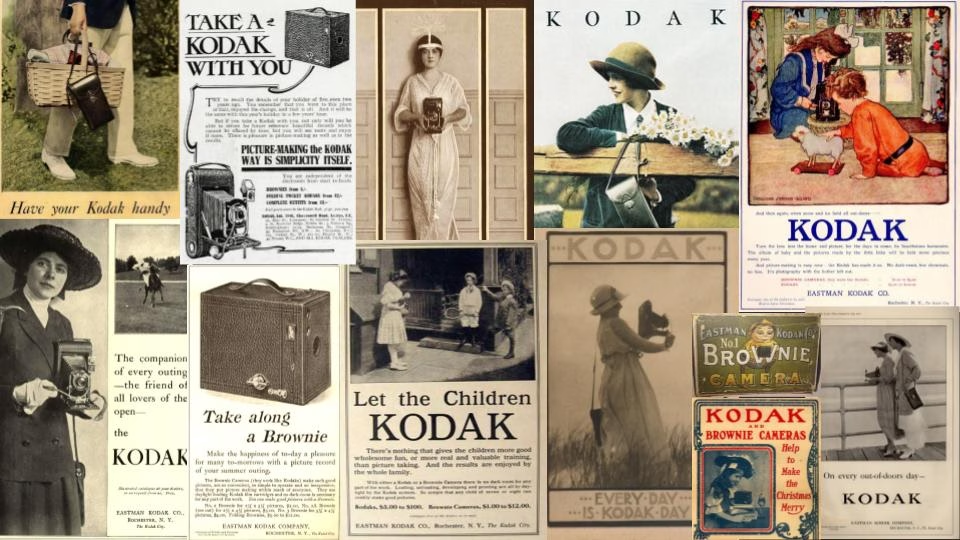
The Snapshot Era: Bringing the Camera Home
The turn of the 20th century brought the most significant shift in photographic history: the snapshot. With the introduction of the Kodak Brownie, the camera left the professional studio and entered the hands of the everyday person. The photos from the 1900s through the 1940s are characterized by their informality. They are often small, square prints with deckled or zigzag edges. These are the images of “real life”—unposed picnics, children playing in the dirt, and the pride of a family’s first automobile. While they may lack the clinical sharpness of a studio portrait, they possess an emotional “soul” that is the heart of any restoration project.
The Mid-Century Glow: A World in Color
Finally, the post-war era of the 1940s through the 1970s introduced us to the vibrant, cinematic world of color. Whether through 35mm slides or “drugstore” prints, this era is defined by the rich saturation of films like Kodachrome. These images capture the suburban American Dream in vivid detail, though they face their own unique aging struggle: “color shifting.” Over decades, the chemical dyes degrade, often leaving a once-vibrant scene looking entirely magenta or yellow.
Understanding these formats allows us to bridge the gap between the physical past and our digital future. By identifying whether an image is a delicate Daguerreotype or a faded color slide, we can better honor the story it tells and ensure that those “ghosts” in the box remain clear for the generations yet to come.

